
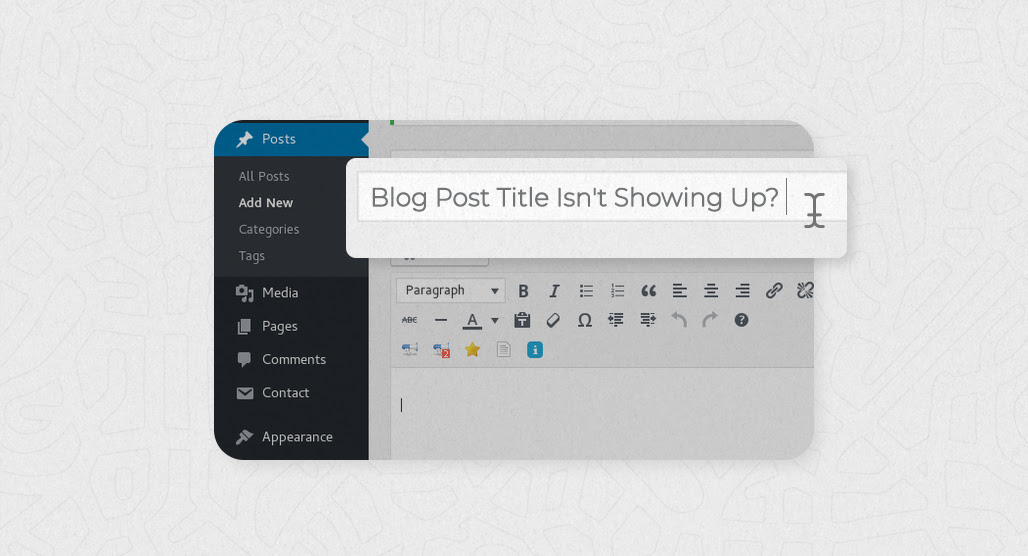
 “`html
How to Start a Blog: A Beginner’s Guide
Estimated Reading Time: 10 minutes
Key Takeaways
- Learn the benefits of blogging
- Understand the basic setup of a blog
- Get tips on content creation and engagement
- Explore tools to enhance your blogging journey
Table of Contents
- What is Blogging?
- Why Start a Blog?
- Setting Up Your Blog
- Creating Great Content
- Growing Your Audience
- FAQs
What is Blogging?
Blogging is the act of writing and publishing content on a website. It’s like keeping a journal or diary, but it’s shared with the world. *Blogs* are frequently updated content that is arranged in chronological order, with the newest posts appearing first.
Blogs can be about any topic. Some are personal diaries, while others are about specific subjects such as cooking, travel, or technology. The *goal of blogging* is often to share knowledge, experiences, or opinions with an audience. It can also be a way to build a community around a shared interest or to establish authority in a particular field.
Why Start a Blog?
Share Your Passion
One of the main reasons people start blogs is to share their passion with others. Whether you love cooking, traveling, or storytelling, a blog gives you a platform to express yourself and connect with like-minded individuals.
Build Authority
Blogging can help you build authority and establish yourself as an expert in your field. By consistently providing valuable content, you can earn the trust and respect of your readers.
Generate Income
Many people start blogging as a way to earn money. This can be done through advertising, sponsored posts, selling products or services, and more. While it’s not a get-rich-quick scheme, with dedication and effort, you can turn your blog into a source of income.
Setting Up Your Blog
Choose a Niche
The first step in setting up your blog is choosing a niche. This means picking a specific topic or area of interest. Having a niche will help you target your audience and focus your content.
Select a Blogging Platform
Next, choose a blogging platform. Some popular options include WordPress, Blogger, and Wix. Each platform has its own features and benefits, so take some time to research which one is the best fit for you.
Get a Domain Name and Hosting
Your domain name is your blog’s address on the internet. It’s important to choose a domain name that’s easy to remember and reflects your niche. You’ll also need to choose a hosting provider to get your blog online.
Creating Great Content
Write Engaging Posts
Engaging content is key to a successful blog. Write posts that are interesting, informative, and relevant to your audience. Use a conversational tone, and don’t be afraid to inject some personality into your writing.
Use Visuals
Visual elements such as images, videos, and infographics can make your content more appealing and easier to digest. They can also help explain complex ideas more clearly.
Optimize for SEO
Search Engine Optimization (SEO) can help your blog rank higher in search engine results, making it easier for people to find your content. Use keywords, create meta descriptions, and build backlinks to improve your SEO.
Growing Your Audience
Promote Your Blog
To grow your audience, you need to promote your blog. Share your posts on social media, participate in online communities, and engage with other bloggers in your niche.
Engage with Readers
Building a community around your blog is important. Respond to comments, ask for feedback, and show appreciation to your readers. Engaging with your audience can lead to loyal followers and word-of-mouth promotion.
FAQs
- How do I start a blog for free?
- How long does it take to make money from blogging?
- How often should I post on my blog?
How do I start a blog for free?
Starting a blog for free is possible with platforms like Blogger or WordPress.com. These platforms offer free hosting and domain options, but they come with limited features compared to paid options.
How long does it take to make money from blogging?
Making money from blogging can take time and effort. Some bloggers see income within a few months, while for others, it might take years. Focus on building quality content and audience engagement for better monetization results.
How often should I post on my blog?
Consistency is key in blogging. Aim for regular posts, whether it’s weekly, bi-weekly, or monthly. Find a schedule that works for you and stick to it to keep your audience engaged and returning for more.
“`
