
 “`html
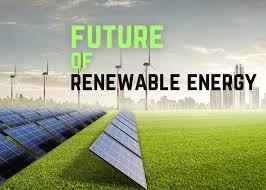
The Future of Renewable Energy: Trends and Innovations
Estimated Reading Time: 12 minutes
Key Takeaways
- Renewable energy is vital for combating climate change and achieving environmental sustainability.
- Current trends indicate significant growth in solar and wind energy technologies, energy storage solutions, and smart grid technology.
- Innovations such as advanced photovoltaic cells, offshore wind farms, and direct air capture technologies are revolutionizing the energy sector.
- Embracing renewable energy promises substantial benefits such as environmental protection, job creation, and energy independence.
- Challenges include intermittency issues, high initial costs, and infrastructure limitations.
Table of Contents
- Introduction
- Understanding Renewable Energy
- Current Trends in Renewable Energy
- Innovative Technologies in Renewable Energy
- Benefits of Embracing Renewable Energy
- Challenges and Limitations of Renewable Energy
- The Future of Renewable Energy
- Frequently Asked Questions (FAQ)
Introduction
Renewable energy is crucial in combating climate change and achieving sustainability. With growing concerns over carbon emissions and environmental degradation, the shift towards clean energy sources is not just preferred but necessary. This blog post will delve into the latest renewable energy trends and innovations shaping our world today.
As we embark on this journey, we will explore what renewable energy means, examine current and future trends, uncover innovative technologies, and discuss the myriad benefits vs. challenges associated with this energy transition.
Understanding Renewable Energy
Renewable energy is defined as energy generated from natural processes that are continuously replenished, such as sunlight, wind, and water. These sustainable energy sources play a pivotal role in reducing our reliance on fossil fuels and minimizing environmental harm.
Key types of renewable energy include:
- Solar Energy: Harnesses sunlight using photovoltaic cells.
- Wind Energy: Utilizes wind turbines to convert wind into electricity.
- Hydroelectric Energy: Generated by the movement of water through dams.
- Geothermal Energy: Comes from the heat stored in the Earth.
According to the International Energy Agency (IEA), the share of renewable energy in global energy consumption has been rising steadily, demonstrating its potential to fulfill our future energy needs. For detailed statistics, visit the IEA’s website: IEA.
Current Trends in Renewable Energy
Several major trends are currently shaping the renewable energy landscape:
- The Rise of Solar and Wind Energy Technologies: As technology improves, solar panels and wind turbines become more efficient and affordable, making them popular choices for power generation.
- Growth of Energy Storage Solutions: Batteries for solar energy storage are becoming increasingly essential in managing the supply and demand balance, particularly during peak usage times. For more on optimizing energy solutions, check our post on measuring energy consumption.
- Integration of Smart Grid Technologies: Smart grids enhance efficiency and reliability, allowing for real-time energy monitoring and management. Learn more about home automation that integrates with smart technology in our blog about smart home technology.
Research from BloombergNEF indicates that by 2030, investments in renewable energy will see a significant increase, reflecting the industry’s rapid evolution and expanding market share. For more information, refer to BloombergNEF: BloombergNEF.
Innovative Technologies in Renewable Energy
Groundbreaking technologies are revolutionizing renewable energy generation:
- Advanced Photovoltaic Cells: These cells are becoming increasingly efficient, with technologies like bifacial solar panels that capture sunlight on both sides.
- Offshore Wind Farms: These facilities have the capacity to generate large amounts of energy, capitalizing on more consistent wind speeds found at sea.
- Direct Air Capture Technologies: This innovative approach captures carbon dioxide directly from the atmosphere, mitigating greenhouse gas levels.
For instance, Ørsted has built the largest offshore wind farm in the world, showing how these technologies can be successfully implemented to produce clean energy at a massive scale. More details can be found in their case study at Ørsted.
Benefits of Embracing Renewable Energy
Adopting renewable energy sources brings numerous benefits, including:
- Environmental Impact: Significant reduction of greenhouse gas emissions leads to cleaner air and a healthier planet.
- Economic Advantages: The renewable energy sector is a significant source of job creation, with thousands of new positions emerging each year.
- Energy Independence: By reducing reliance on fossil fuel imports, countries can achieve greater energy security and stability.
According to the U.S. Department of Energy, the renewable energy sector has already created millions of jobs, highlighting its economic potential. For detailed statistics, visit the Department of Energy’s website: U.S. Department of Energy.
Challenges and Limitations of Renewable Energy
Though promising, there are significant challenges related to the adoption of renewable energy, including:
- Intermittency Issues: Solar and wind energy can be unpredictable, leading to power outages or overloading.
- Initial Capital Cost: The upfront investment for renewable technologies can be substantial, posing a barrier for many users.
- Infrastructure Limitations: Some regions lack the infrastructure needed to effectively harness and distribute renewable energy.
Regions relying heavily on fossil fuels, such as parts of Eastern Europe, face these challenges but are exploring solutions, including advancements in battery storage technology to ensure consistent energy supply.
The Future of Renewable Energy
Looking ahead, several key developments are expected in renewable energy over the next decade:
- Cost Reductions: As technology matures, the costs associated with renewable energy systems are predicted to decrease significantly.
- Policy Shifts: Governments worldwide are likely to introduce more favorable policies and agreements that support renewable energy adoption.
- Investment in Green Technologies: The post-COVID-19 recovery is expected to accelerate investments in sustainable technology.
Organizations like the World Resources Institute underscore that significant advancements in these areas are vital to achieving climate targets. For comprehensive studies and predictions, refer to the World Resources Institute: World Resources Institute.
Frequently Asked Questions (FAQ)
What is renewable energy? Renewable energy comes from natural sources that are continuously replenished, such as sunlight, wind, and water.
What are the main types of renewable energy? The primary types include solar, wind, hydroelectric, geothermal, and biomass energy.
Why is renewable energy important? It reduces greenhouse gas emissions, creates jobs, and promotes energy independence, making it essential for a sustainable future.
Aanbevolen producten
Slimme Stekker met Energiemonitoring
Met deze slimme stekker kun je realtime energieverbruik monitoren en apparaten automatiseren, wat bijdraagt aan een efficiënter energiegebruik in jouw huishouden.
Slimme Stekker Energiemonitoring Pack (3)
Deze set van drie slimme stekkers maakt het gemakkelijk om meerdere apparaten te automatiseren en hun energieverbruik te monitoren voor een duurzamer huishouden.
“`
