
 “`html
Understanding Inflation: Causes, Effects, and Strategies for Management
Estimated Reading Time: 15 minutes
Key Takeaways
- Inflation reduces purchasing power, affecting both individuals and businesses.
- Common causes of inflation include demand-pull and cost-push factors.
- Inflation impacts consumer behavior, savings, and the broader economy.
- Effective management strategies involve budget revision and investment in inflation-resistant assets.
- Government policies, particularly monetary strategies, play a crucial role in controlling inflation.
Table of Contents
- What Causes Inflation?
- The Effects of Inflation on Consumers
- Inflation and the Economy
- Strategies for Managing Inflation
- Government Policies and Inflation Control
- Future Outlook on Inflation
- Frequently Asked Questions (FAQs)
What Causes Inflation?
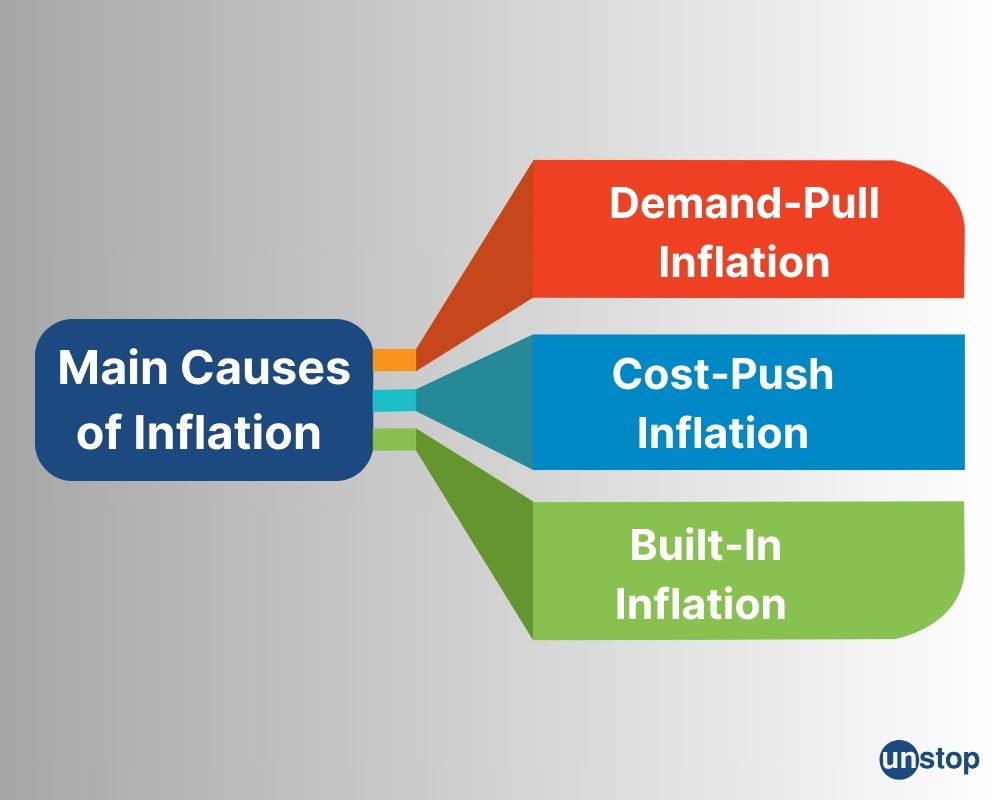
Inflation can stem from various factors, primarily categorized into two types: demand-pull inflation and cost-push inflation.
Demand-pull inflation occurs when the demand for goods exceeds supply, leading to increased prices. For example, during economic recoveries, heightened consumer confidence can drive demand, resulting in inflationary pressures. Factors influencing demand-pull inflation include:
- Increased consumer spending
- Government spending boosts
- Export demands
On the other hand, cost-push inflation happens when the costs of production increase, thereby pushing prices higher. This can happen due to various reasons, such as:
- Rising wages
- Higher raw material costs
- Supply chain disruptions
For example, during the COVID-19 pandemic, many businesses faced severe supply chain issues that resulted in cost-push inflation. With manufacturers unable to produce goods at pre-pandemic levels, prices surged due to scarcity. This scenario exemplifies how external factors can trigger inflation. [Source]
The Effects of Inflation on Consumers
Inflation directly impacts consumers, particularly their purchasing power. As prices rise, consumers find that their money doesn’t stretch as far as it used to. This effect is easily recognizable in everyday expenses.
For instance, let’s take grocery prices. Over the past few years, many households have experienced heart-stopping increases in costs. A family that used to spend $200 weekly on groceries may find that same basket of goods now costs $250 due to rising prices. This increase means less disposable income for other necessities or luxuries, altering family budgets.
Furthermore, the implications of inflation stretch beyond immediate spending. In the short term, high inflation can erode savings as cash loses value. In the long term, individuals investing in savings accounts or low-interest bonds may find that their financial growth is outpaced by inflation, leading to diminished returns. Understanding these effects is vital for navigating personal finances during inflationary periods. For additional tips on managing personal finances during inflation, check out our post on beginning smart home installations, where we discuss budgeting effectively.
Inflation and the Economy
Inflation does not merely impact consumers; it also shapes the broader economy. Understanding how inflation influences economic growth, investment decisions, and interest rates is key for stakeholders.
Generally, inflation leads to higher interest rates. When prices rise, central banks, like the Federal Reserve, often increase interest rates to manage inflation. This increase affects borrowing and spending, which can, in turn, slow down economic growth.
The relationship between inflation and unemployment can be explained through the Phillips curve, which posits an inverse relationship between inflation rates and unemployment rates. When inflation is low, unemployment tends to be high and vice versa. Historical trends have shown this relationship, indicating how inflation and economic cycles are correlated. [Source]
Strategies for Managing Inflation
With rising inflation, it is crucial for both individuals and businesses to develop strategies for managing inflation. Here are some practical tips:
- Budget adjustments: Revisit and revise your budgets to account for rising expenses. This might mean cutting back on non-essential spending.
- Invest in inflation-resistant assets: Real estate, commodities like gold, and Inflation-Protected Securities (TIPS) can serve as effective hedges against inflation.
- Diversifying income streams: Explore side hustles or passive income opportunities to cushion against rising costs.
Moreover, enhancing financial literacy plays a critical role during inflationary times. By understanding how to adapt finances and leverage investment opportunities, individuals can maintain stability in an uncertain economic climate. For instance, investing in real estate not only offers potential appreciation but can also provide passive income, thereby combating inflation’s effects. For more insights on saving and investment strategies, refer to our article on smart thermostats that help manage energy costs, providing an effective way to combat rising expenses.
Government Policies and Inflation Control
The role of government monetary policies is crucial in managing inflation. Central banks, such as the Federal Reserve, utilize various tools to control inflation, the most prominent being interest rate adjustments.
When inflation rises, central banks typically increase interest rates. Higher rates discourage borrowing and spending, ultimately reducing demand and helping curb inflation. However, this also means higher costs for loans and mortgages, directly impacting consumers.
Recent policy changes by the Federal Reserve have been focused on addressing increasing inflation rates, as seen throughout 2021 and 2022. These adjustments reflect attempts to balance the economic growth rate while maintaining price stability. [Source]
Future Outlook on Inflation
Looking ahead, the future outlook on inflation is a topic of debate among economists. Current economic forecasts predict a gradual return to pre-pandemic inflation rates; however, potential supply chain issues and geopolitical tensions could prolong elevated levels.
Experts suggest that factors such as wage growth, labor shortages, and changing consumer behavior could lead to sustained inflationary pressures in the coming years. Therefore, staying informed and adaptive is critical for individuals and businesses alike. It is crucial to keep abreast of economic predictions and undertake necessary financial adjustments in anticipation of evolving trends.
Aanbevolen producten
Hieronder vind je enkele aanbevolen producten die kunnen helpen bij het beheren van je uitgaven en het verbeteren van je financiële situatie tijdens inflatie:
- Slimme Thermostaat: Bespaar geld op je energiekosten en regel je verwarming op afstand. Bekijk hier meer informatie.
- Slimme Stekker: Automatiseer je verlichting en bespaar energie. Ontdek de opties.
- Inflatie-Protected Securities (TIPS): Investeren in TIPS voor bescherming tegen inflatie kan de moeite waard zijn.
Frequently Asked Questions (FAQs)
What is inflation and how is it measured?
Inflation is defined as the rate of increase in prices over a given period. The primary measure of inflation is the Consumer Price Index (CPI), which calculates average changes in prices paid by consumers for goods and services.
How can I protect my savings from inflation?
There are several strategies to protect savings from inflation, such as investing in stocks, purchasing real estate, or inflation-protected securities (TIPS), which are designed to increase with rising prices.
Is a little inflation good for the economy?
Moderate inflation can be beneficial, as it often signals economic growth. A small increase in prices can encourage spending and investment, vital components for economic health. A balanced approach helps maintain consumer confidence and economic activity.
“`

