
 “`html
What Is a Smart Home? Exploring the Future of Connected Living in 2024
Estimated Reading Time: 15 minutes
Key Takeaways
- Smart homes are becoming integrated, seamless ecosystems by 2026.
- The smart home market is valued at $127.67 billion in 2024, expected to reach $1.4 trillion by 2034.
- North America leads smart home market share, followed by Europe.
- Energy efficiency is a major driver for smart home technology.
- Challenges include high costs, complexity, data privacy, and fragmentation.
Table of Contents
- What Is a Smart Home?
- Growth of the Smart Home Market: An Economic Revolution
- Adoption Trends: Smart Homes Are Going Mainstream
- Most Popular Smart Home Devices
- Energy Efficiency: The Hidden Hero
- Regional Differences and Demographic Insights
- How Many Devices Are Out There?
- Challenges on the Smart Home Journey
- The Road Ahead: From Smart Home to Smart Living
What Is a Smart Home?
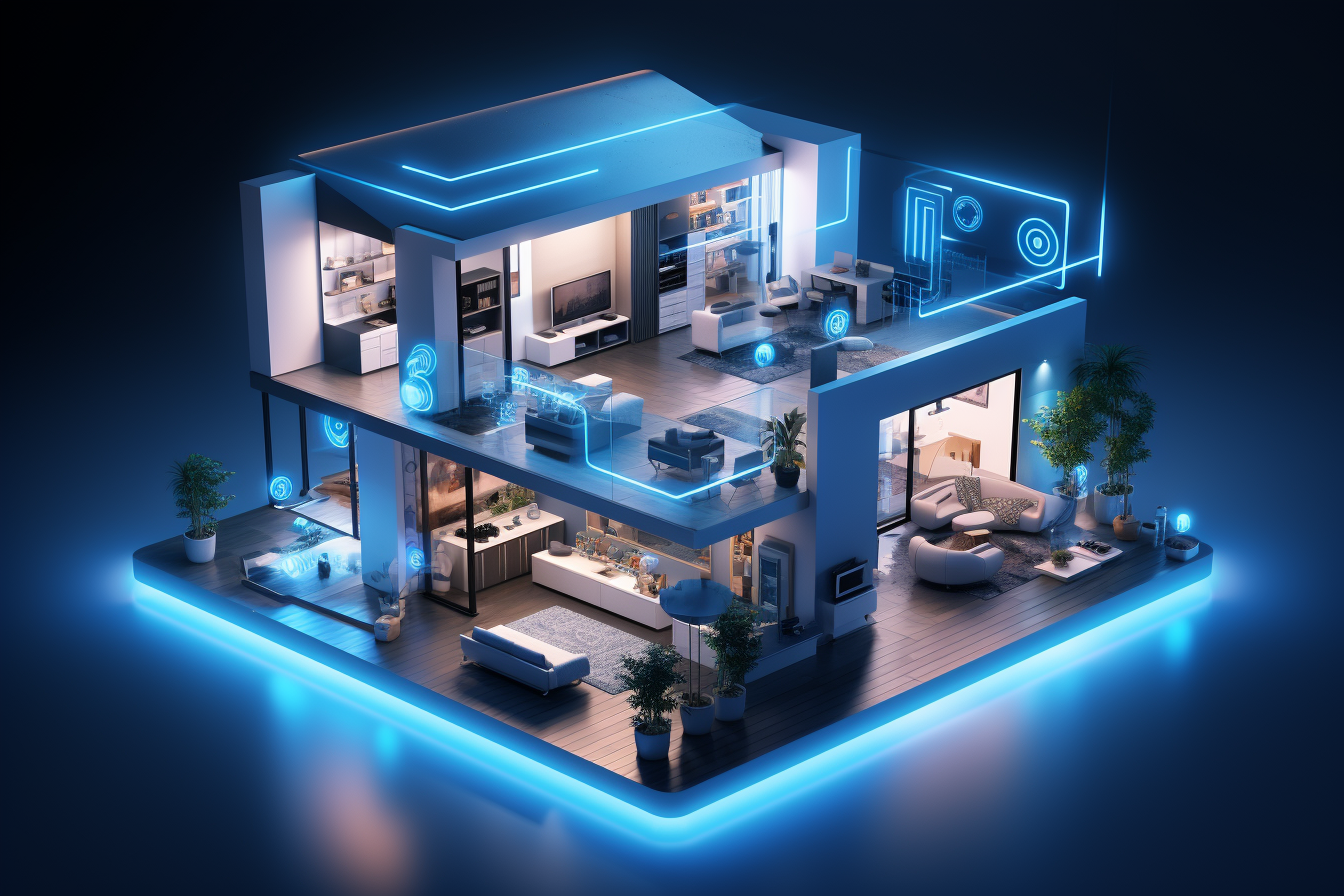
In an increasingly connected world, one question keeps popping up: What is a smart home? In 2024, this term refers to a living, thinking ecosystem. With advances in AI, IoT, and voice technologies, smart homes redefine comfort, security, and sustainability.
Imagine waking up as your curtains open with the morning sun, coffee brewing as you enter the kitchen, and your to-do list being read by a smart assistant—all without lifting a finger. For beginners, our guide on hoe begin ik met slimme apparaten will help you get started with smart homes.
Day-to-Day Applications
The world of smart homes includes a wide array of features:
- **Smart lighting and climate control:** Automated thermostats and lights adjusting based on occupancy and time.
- **Home security:** Smart locks, video doorbells for peace of mind.
- **Energy management:** Intelligent plugs and energy monitors to save power.
- **Voice-controlled virtual assistants:** AI-powered like Amazon Alexa.
- **Smart appliances:** Fridges that track groceries, robot vacuums that clean on schedule.
Growth of the Smart Home Market: An Economic Revolution
The smart home industry is booming. The market is valued at $127.67 billion in 2024 and could skyrocket to $1.4 trillion by 2034, reflecting a CAGR of 27.1%. [source](https://todayshomeowner.com/home-finances/guides/smart-home-statistics/)
North America Leads the Charge
The United States dominates the market with a value of $36.38 billion in 2024. This could surge to $403.09 billion by 2034. [source](https://todayshomeowner.com/home-finances/guides/smart-home-statistics/)
Adoption Trends: Smart Homes Are Going Mainstream
In the U.S., 56.4 million smart homes exist, with a forecast increase to 62.9 million by 2027 ([source](https://www.consumeraffairs.com/finance/smart-home-market-trends.html)).
- 42% of American households own at least one smart home device.
- 35% of households in developed regions use at least one smart home device.
Most Popular Smart Home Devices
According to consumer data, these are the top smart home devices today:
- Smart entertainment systems – used by 49% of smart home owners.
- Smart thermostats – also at 49%.
- Video doorbells – used by 43%.
- Security cameras – in 40% of setups.
The Reign of Voice Assistants
Voice control is now standard: 65% of new installations include voice systems via Alexa, Google Assistant, or Siri ([source](https://www.intelmarketresearch.com/global-smart-home-forecast-market-26574)).
Energy Efficiency: The Hidden Hero
Though convenience gets headlines, energy efficiency is crucial. Smart thermostats can reduce energy use by up to 15% ([source](https://www.intelmarketresearch.com/global-smart-home-forecast-market-26574)).
Regional Differences and Demographic Insights
Europe invests heavily in smart homes, especially in energy-centric solutions. The market for smart locks alone in Europe might reach €2.1 billion by 2029.
Millennials are leading the charge; 40% of Americans planning smart home investments are millennials.
How Many Devices Are Out There?
By 2026, there will be 1.25 billion smart home devices. Video entertainment and home security dominate with 49% of shipments.
Challenges on the Smart Home Journey
The smart home landscape isn’t without hurdles:
High Costs
Full smart home setups can cost between $10,000 to $40,000 ([source](https://www.intelmarketresearch.com/global-smart-home-forecast-market-26574)).
Complexity Concerns
42% of potential buyers feel overwhelmed by smart home tech complexity.
Data Privacy Fears
GDPR in Europe enforces robust data frameworks and clear protocols.
Fragmentation and Compatibility
Inter-brand and device integration is inconsistent, making full-home smart integration difficult.
The Road Ahead: From Smart Home to Smart Living
By 2026, smart home technology will be ubiquitous, driven by AI, IoT, and 5G. Homes will not just obey commands; they will anticipate them.
Machine learning will enable homes to adjust environments in real-time according to your preferences, making smart living effortless.
When asked “What is a smart home?” in 2024, the answer is: A home that adapts to its inhabitants, conserves energy, and integrates seamlessly into daily life.
“`

